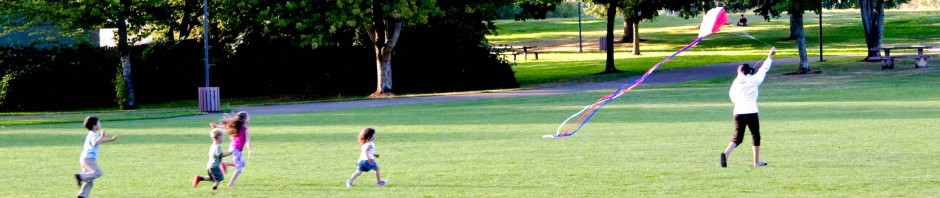
My dear friend from high school, Celia Nina Wolpe, and I are working on a joint writing project about our lives during WWII. It is a memoir-infused novel about our two families and what in particular our mothers did to ensure our childhoods during that difficult and trying time. In our actual lives we didn’t meet until later when we were in high school, but for the purpose of our story, on the advice of our first editor, we initially met in the second grade at the age of eight. We live near each other, and in a short time become fast friends.
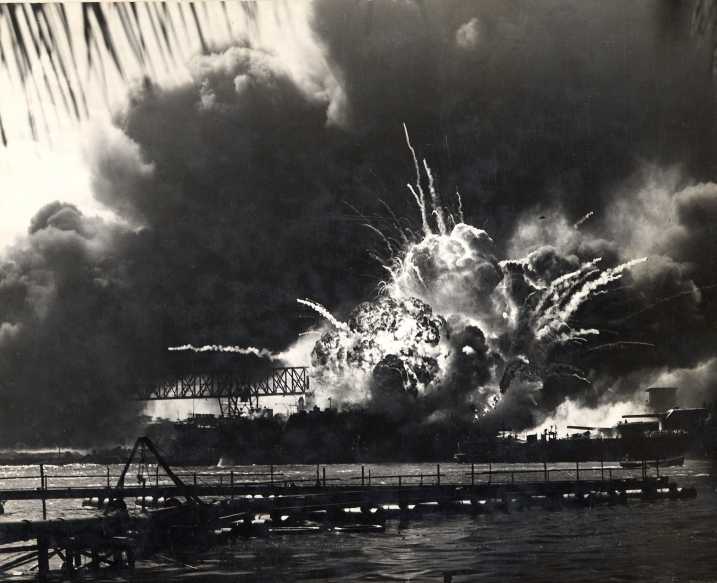
Our lives and those of everyone else in America are turned upside down with the bombing of Pearl Harbor on December 7, 1941. While race was never an issue before that fateful day, it becomes a cloud over our innocent world because my face is the face of the enemy. Nina remains true to our friendship, and is my champion and protector as insults and name-calling begin from some of the other children. This is not a test of our friendship, but of whether for me the strength of it can survive the assault from classmates.
When Executive Order 9066 is signed into law by President Franklin Roosevelt, plans are set in motion for me and my family, and the families of 120,000 other persons of Japanese ancestry living in the west to be removed from our homes to concentration camps away from the West Coast. With the anxiety and hysteria coming after Pearl Harbor, the prevailing fear is of fifth column sabotage by Japanese Americans assisting in an enemy invasion of the mainland.
As the plans for our forced removal become reality, Nina asks me if I would write to her during my absence, and I agree, setting the stage for our friendship to remain alive even as we are separated by time and space. What ensues is the playing out of our separate lives, hers of her family left to face the world of wartime America with her father gone to fight the scourge of fascism, mine to endure the shame and embarrassment of being behind barbed wire guarded by armed soldiers, because we happen to look like the enemy.
Our letters shared back and forth maintain a link as we experience the harsh reality of a world torn by racism, hers through the observing eyes of a young white girl, mine through the eyes of a Japanese American boy. We both struggle to understand the fallout of racial hatred, and throughout, ultimately learn the power of our mothers as they keep tour families safe. At war’s end, we are reunited and resume our close relationship, now empowered and deepened by the real meaning of family and friendship.
Note: Nina and I have now hired on with an editor, and are at the stage of preparing our joint draft submission as we begin the process of working toward publication sometime later this year.


 Journeys of a Bent Mind