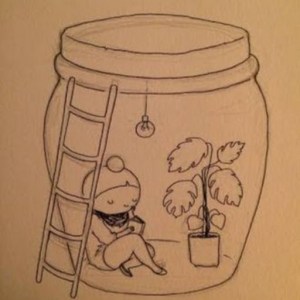
 I was told recently by someone that as an introvert I couldn’t speak to the experiences of an extrovert, that I don’t have the experience base from which to speak. Actually, I do. Here’s the thing about introverts and extroverts, we’re all on a spectrum from full-blown introversion on one end, to total extroversion on the other. Most of us fall somewhere in between, a mixture of the sensitive, thoughtful Uncle Sagawa, and an outgoing and hale fellow-well-met Uncle Vanya. Some of us are fully one or the other, though in times by choice we function in the realm of the other. Continue reading
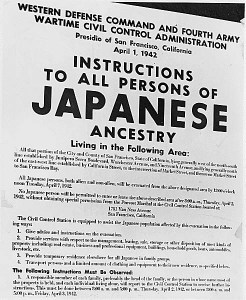
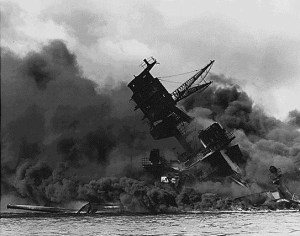
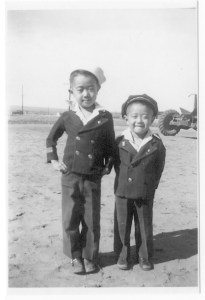 The history of Japanese on the West Coast following the war is replete with sad and horrific tales of prejudice, racism, and persecution. Many lived through hell from some who had been close neighbors before the war, but who turned after the attack on Pearl Harbor. Many never returned to their former communities because of the hostility of local residents.
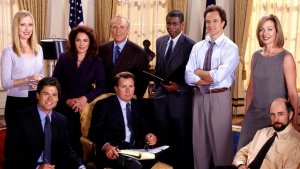 I recently re-watched The West Wing, again – We watched it during its original run on regular TV and loved it for its portrayal of life in and around the White House – We loved it for the people on both sides of the aisle in a time when “cooperation” wasn’t a bad word, and people worked to represent those who sent them to Washington – It was a very nice slice of what was supposed to happen in the corridors of power – And the main people surrounding the president were each different and likeable for their idiosyncrasies and quirks and strengths.
  I’ve noticed something about those who are protesting the wearing of masks as a violation of their freedoms, and overreach by a dictatorial government – They’re all white. There, I did say it, they’re all white. I don’t know if there are people of color who are protesting masks, but if there are their publicists aren’t doing a very good job of getting them recognition. Just kidding, I don’t think there are many, if any, persons of color who are protesting masks as an infringement of their rights as an American citizen. They know better. Here’s what I think is going on: anyone who is protesting masks as an infringement of personal freedoms, is someone who is mistaking an inconvenience against
  I was born of immigrants parents in a small farming community in the San Joaquin Valley of California. The year was 1938, and my sister was six years old when I arrived. I had two other sisters before me, but one died in childbirth and the second died of complications shortly after she was born. On one scale I was the fourth child, but as it worked out I was considered the second-born. I didn’t learn that until I was grown. Almost two years later, my younger brother was born. We were a family of five.
 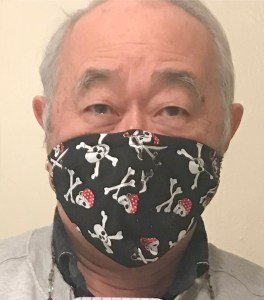 Recent weeks have seen a burgeoning spike in Coronavirus infections and deaths in the United States. This in part is due to a number of states reopening activities and businesses before it was safe to do so, but also due to a half-hearted effort by citizens to follow epidemiologically recommended behavior in prevention. Some states’ governors have taken the tack of denying the strength of the Coronavirus, even its existence, its virility and unrelenting power, and ignoring data showing a spike in incidents of infection, continuing rise in hospitalizations, and the escalating number of American deaths from the pandemic. Some governors are trying their best to deal, consulting specialists in medicine, health, and epidemiology. There is some success and progress in their efforts, but there is a serious void in leadership from the president on down in addressing this crisis.
 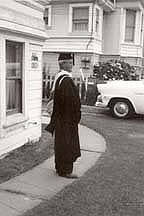 In 1963 I earned my Masters in Social Welfare degree from the Graduate School of Social Work at the University of California in Berkeley. Mom and Dad came up for the ceremonies held in the U.C. football stadium on the Cal campus. Before the ceremonies, Dad stood in front of our basement apartment on Wheeler Street and had his picture taken in my mortarboard, and master’s gown and hood. He was so proud – my graduate degree was the highest anyone in the family had achieved.
 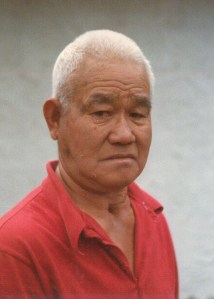 Dad was an artist of sorts, with an appreciation for the aesthetic – not that he would have been able to verbalize this. Here’s my take on Dad being an artist: while most farmers in post WWII central California maintained a “co-existent” relationship with weeds, meaning they “let them go,” Dad aggressively sought to eliminate them. This was expensive and time-consuming, but it was something he did. This meant we sons did. Weeds do two things not good for crops: 1) they take moisture and nutrients from the soil that should go to the crops; and 2) they detract from the aesthetic look of the orchards and vineyards. The first is scientifically based, and I credit Dad for having this perspective given his
 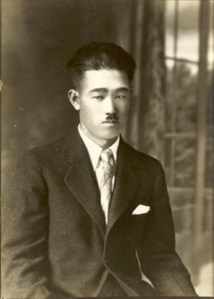 Silence. Deep silence, and a firm set lip. Large brown eyes with a glint of spirit and whisper of darkness within them. He was a man of the earth – he had dirt under his fingernails, and mud on his work boots, even when he cleaned up. You felt it from the time he clasped your hand in a firm handshake, for his large hands were hard and callused from an age of hard labor. Yet, he was able to tie the most delicate of knots with the slimmest of fishing leader. He mostly wore khakis and a heavy cotton shirt in the fall and winter time, with an orange zippered sweatshirt for warmth, and a weathered and crumpled sweat-stained hat. In the spring and summer, khakis and a white T-shire. He was big-boned for a Japanese, though in stature he wasn’t tall by any measure. Still, he was taller than I was to become on my American diet.
 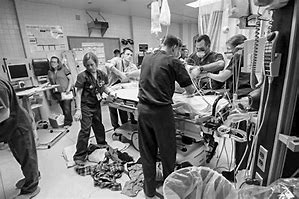 I have to hand it to all our First Responders who daily are putting their lives on the line for all of us – And they do it in spite of the actions of those ignorant/selfish “freedom fighters” taking to the streets in defiance of the social-distancing precautions under the guise of their freedoms being stripped from them.
 -
Join 26 other subscribers
-
Recent Posts
- July 18, 2026 ~ Eugene Asian Celebration August 1, 2026
- Saturday June 13, 2026 ~ OSU Art Show June 25, 2026
- Sunday June 14th, 2026 June 16, 2026
- June 4, 2026 ~ Letitia Carson Elementary School June 12, 2026
- Cascade Manor Words & Wine Wednesday ~ April 1st April 6, 2026
Recent Comments
Yukio Shimomura on To Do With What You Have journeysofabentmind on Arctic Dreams: Barry Lope… Arlene Weissman on Arctic Dreams: Barry Lope… yukio on Magnetic Fields Are the Devil… journeysofabentmind on Downsizing XIV-A Blogs of Interest
Archives
- August 2026
- June 2026
- April 2026
- March 2026
- February 2026
- December 2025
- June 2025
- February 2025
- September 2024
- August 2024
- March 2024
- January 2024
- November 2023
- September 2023
- August 2023
- April 2023
- December 2022
- November 2022
- October 2022
- September 2022
- August 2022
- February 2022
- January 2022
- September 2021
- August 2021
- June 2021
- May 2021
- April 2021
- March 2021
- February 2021
- January 2021
- December 2020
- November 2020
- September 2020
- August 2020
- July 2020
- June 2020
- May 2020
- April 2020
- March 2020
- February 2020
- January 2020
- December 2019
- November 2019
- October 2019
- September 2019
- August 2019
- July 2019
- June 2019
- May 2019
- April 2019
- March 2019
- January 2019
- December 2018
- November 2018
- October 2018
- September 2018
- August 2018
- July 2018
- June 2018
- May 2018
- April 2018
- February 2018
- January 2018
- December 2017
- November 2017
- October 2017
- September 2017
- August 2017
- July 2017
- June 2017
- April 2017
- February 2017
- January 2017
- December 2016
- November 2016
- October 2016
- September 2016
- August 2016
- July 2016
- June 2016
- May 2016
- April 2016
- March 2016
- February 2016
Categories
Pages
Meta
Goodreads


